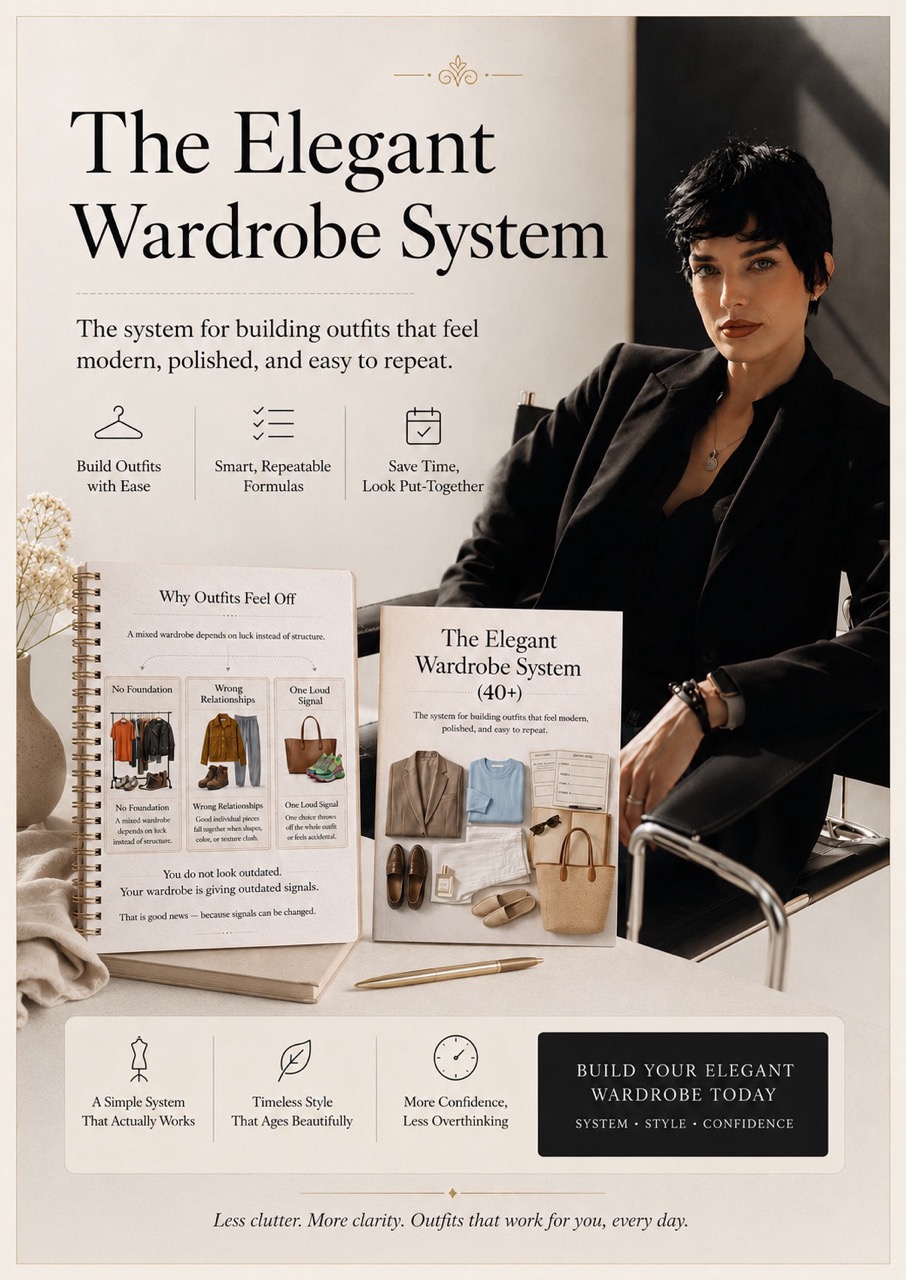
Most women 40+ have enough clothes. What they don’t have is a repeatable way to put them together and look polished — without luck, overthinking, or buying more.
The Elegant Wardrobe System fixes that. A visual, practical framework built on outfit logic — not opinion.
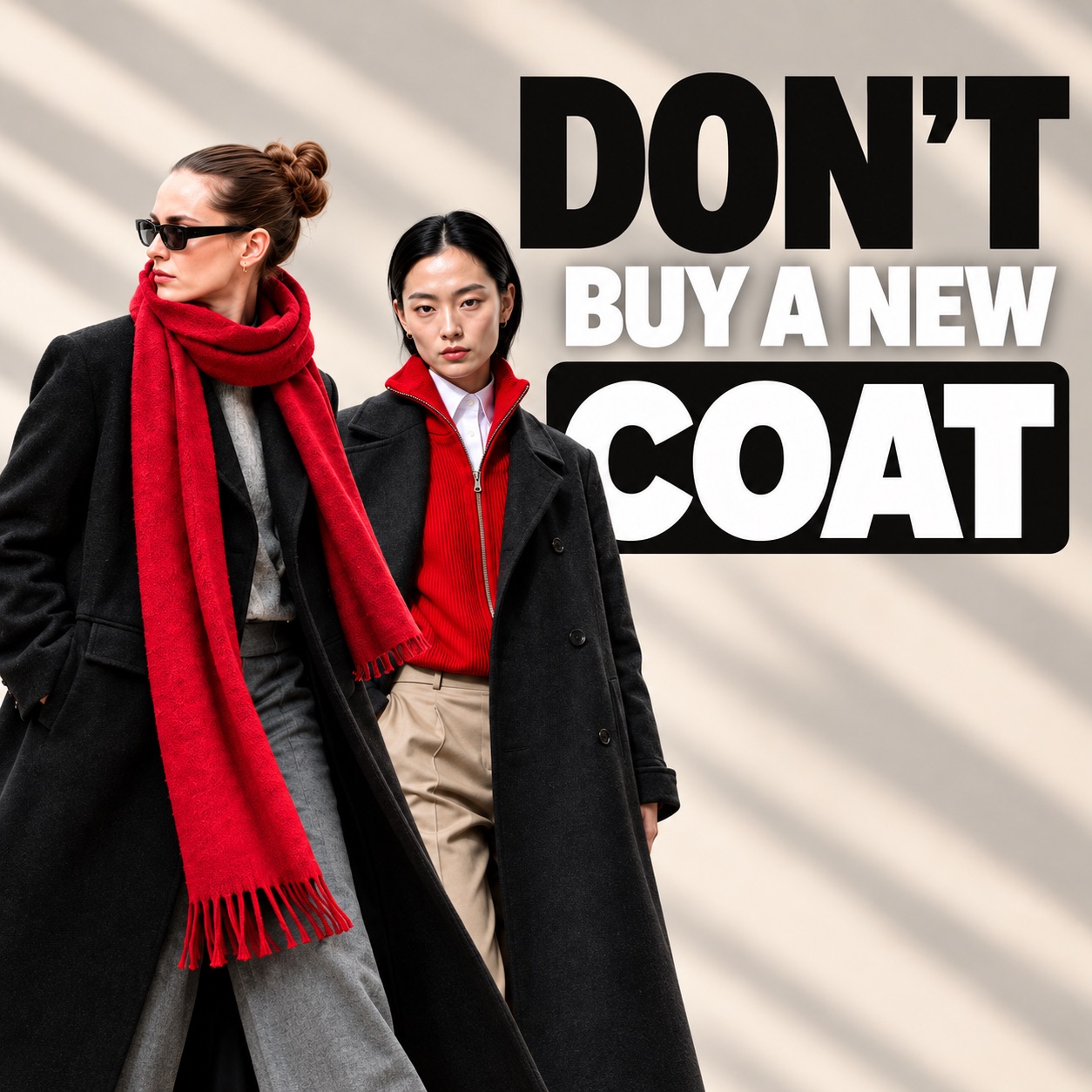
My wife came to me recently and said she was getting tired of her black coat. There was nothing wrong with it. She just felt she’d worn it every possible way.
So I went looking: runway collections, store lookbooks, street style. Anything that could give an ordinary coat a completely different feeling. I found five ways to do it, without buying another coat.
I put all five on one page, the Coat Card. Print it, pin it inside your wardrobe door, and try one idea each morning this week.
When a coat is open, most of what people see is the narrow strip down the middle and the neckline at the top. The coat is just the frame around it. Wear it open and choose what goes in the frame first: a white turtleneck, a shirt collar worn outside the coat, a chain, pearls, or a brooch on the lapel.
On a black coat: a white T-shirt, a cream knit or a pale collar.
2. Change the proportions
The hem of your coat draws a line, and what comes out below it decides the look. Wide trousers that reach the floor turn coat and trousers into one long line. Slim trousers, leggings or dark tights let the coat hold all the volume. Then change the shoe: loafers, ballet flats, Mary Janes or knee boots.
On a black coat: the hem test. Wear it once with something wide, once with something narrow. You’ll see two different coats.
3. Interrupt the colour
One colour against a neutral coat, repeated once, so it looks planned rather than accidental. Red gloves and red shoes. A burgundy scarf and a burgundy bag. Gloves are the easiest way in.
On a black coat: pick one colour you already own and wear it in two small places on the same day.
4. Redesign with a scarf
The idea that surprised me most. Take your largest scarf, or a sweater you don’t mind stretching, and put it over the coat, not under it. If you like, add a belt at the waist, over the coat and the scarf together. If a belt feels like too much, leave the scarf loose. It already changes the line of the shoulders.
On a black coat: choose a scarf in a different texture, so the contrast in surface does the work.
5. Break the coat’s personality
Every good coat has a personality: serious, office, your best coat. The fastest way to make it feel new is to pair it with something from the opposite world. Denim, a striped T-shirt, a fine zip knit, clean white sneakers, or a cap on a rainy walk.
On a black coat: jeans, loafers or white sneakers, and something casual at the neck. The coat looks more expensive next to them, not less.
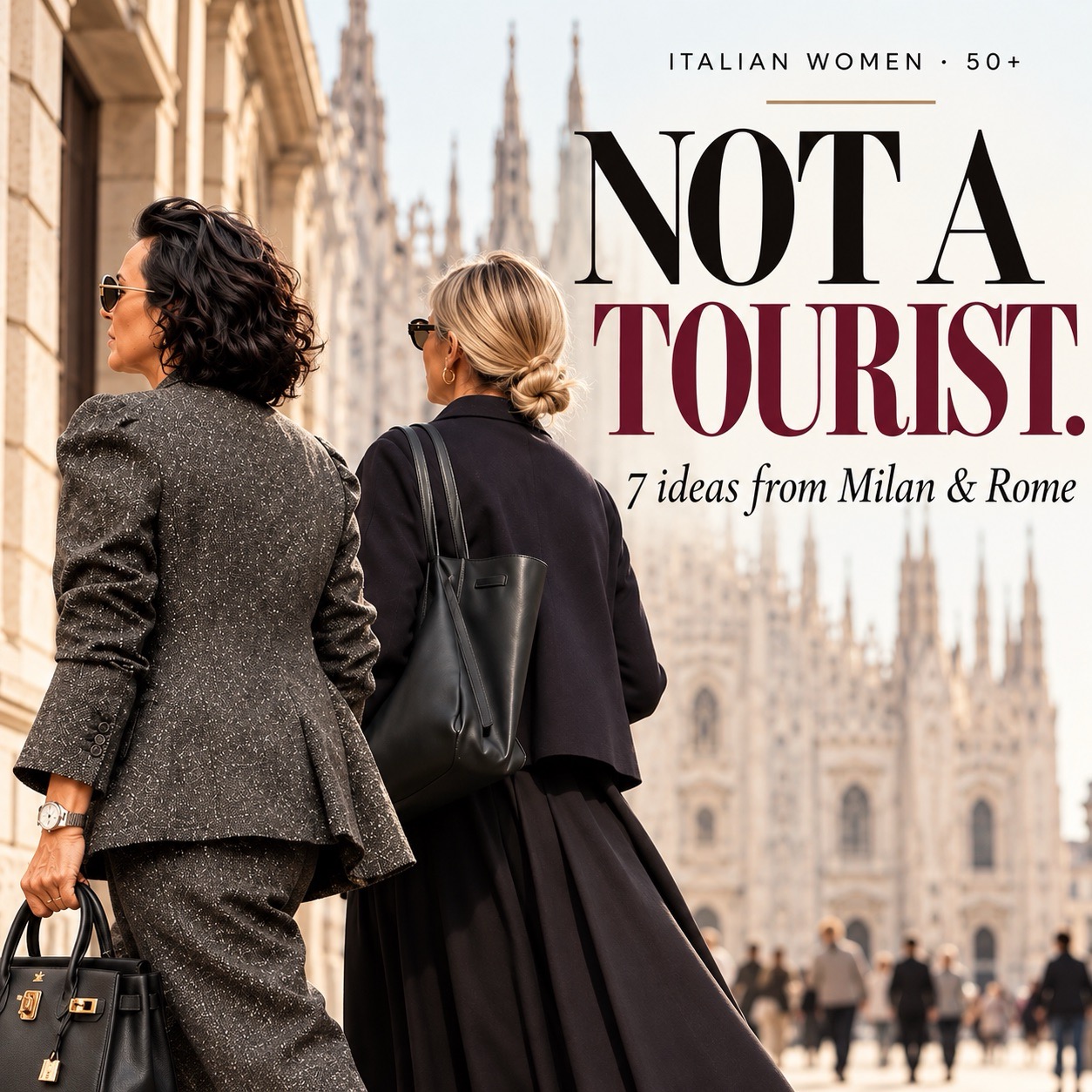
Italians have a word for the way they dress: sprezzatura — studied carelessness, the art of making something difficult look easy. They have another word that sounds almost the same: spazzatura. That one means garbage. On the streets of Milan you can see both on the same pavement, a few minutes apart.
I went through hours of early-autumn street footage from Milan and Rome, looking for what the well-dressed women had in common. This is not how all Italian women dress — these are patterns I found, in women who clearly made an effort. Italian autumn also starts warm, so you will see sandals next to suede. At the end, I translate everything for a colder autumn.
Seven patterns kept coming back. As you read, don’t copy the outfits. Copy the decision.
Free · One Page · Phone Friendly
The Italian Autumn Card
All seven patterns on a single page, plus the swaps for a colder autumn — save it to your phone or print it for the wardrobe door.
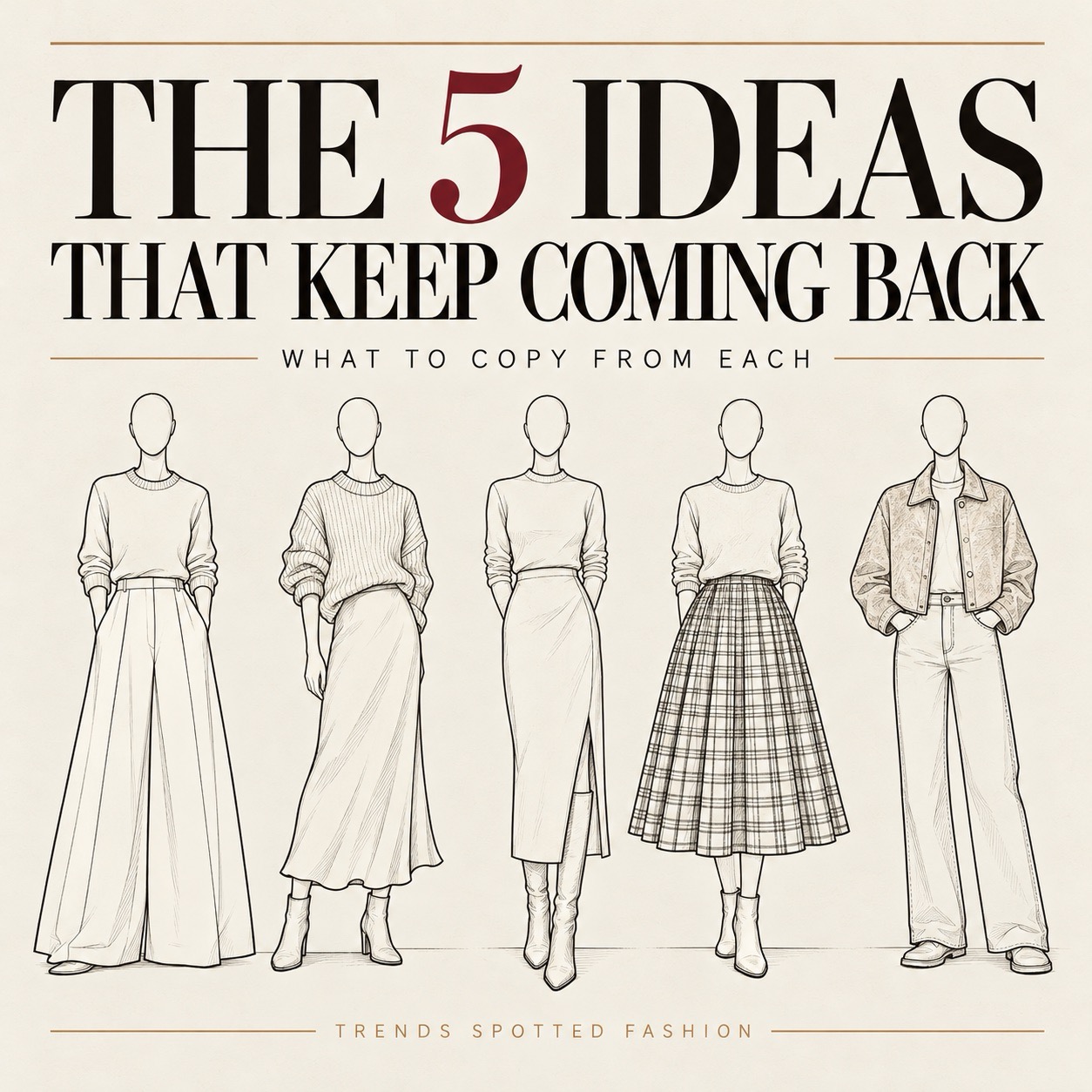
I went through hundreds of street-style photographs — some taken this autumn, many from the seasons before — looking for one thing: the ideas that keep coming back. Not the ones in fashion for five minutes, but the ones that still look current, and that you can make with pieces you already love.
Five ideas kept appearing. Here is each one, why it works, the version that works best after sixty, and my verdict: wear it, adapt it, or let it pass. As you read, don’t copy the outfits. Copy the shape, the colour and the contrast.
Free · One Page · Phone Friendly
The 5 ideas on one page
Shape, colour and contrast for each idea, plus the one to let pass — on a single page you can save to your phone or print.
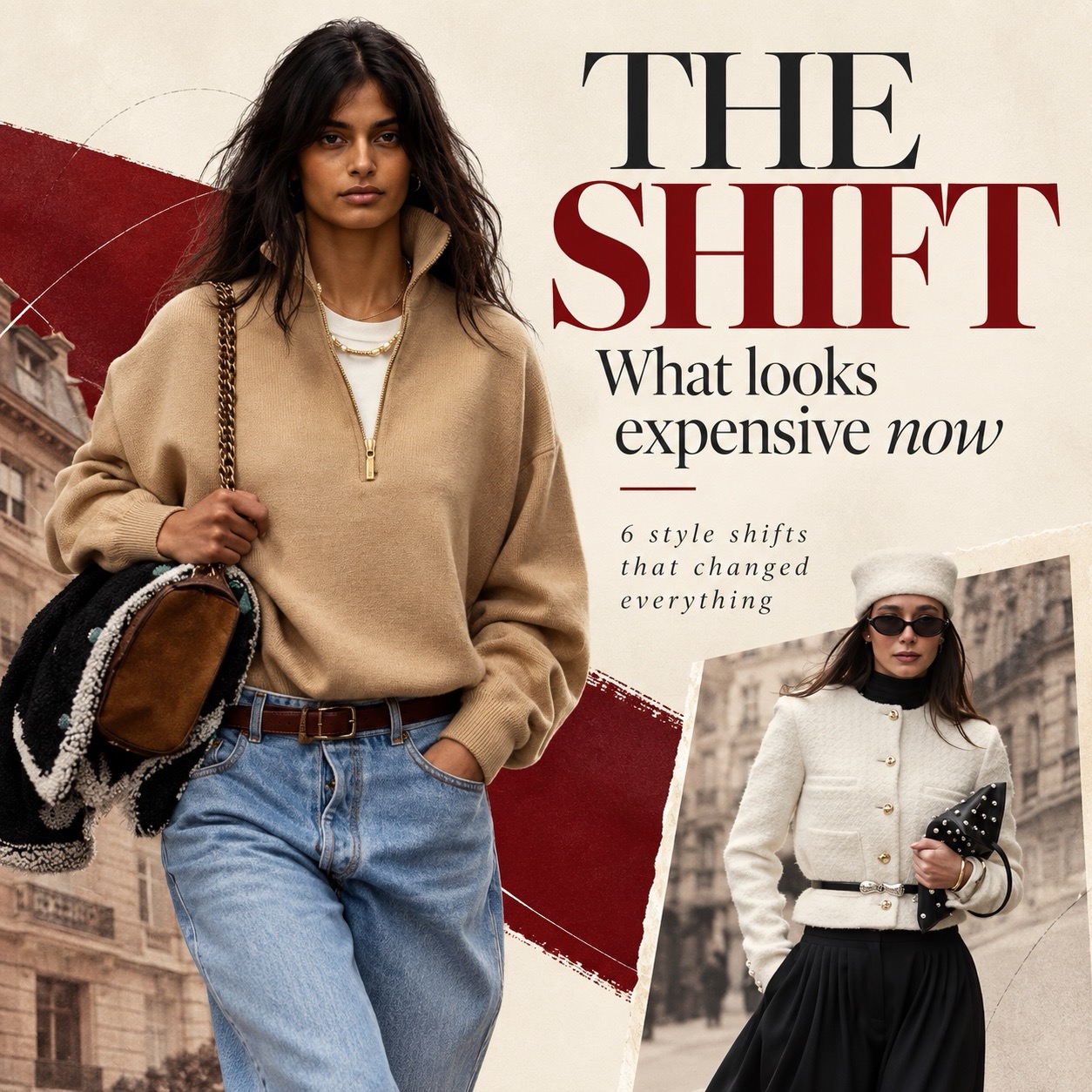
Looking expensive used to mean owning the right signals. Now it is something else: whether the outfit looks as though somebody made the decisions.
This free one-page card gives you the six shifts from the video — from logo to the whole outfit, everyday quality, controlled ease, edited classics, a little tension, and looking chosen — each with one real look and one line to remember.
Save it to your phone and open it before you buy something new or while you are getting dressed.
Send me the free Shift Card
Six shifts on one clear page you can save, print and check whenever an outfit feels expensive but not quite convincing.
No spam. Just the card and occasional practical notes on building a wardrobe that feels current, composed and recognisably yours.
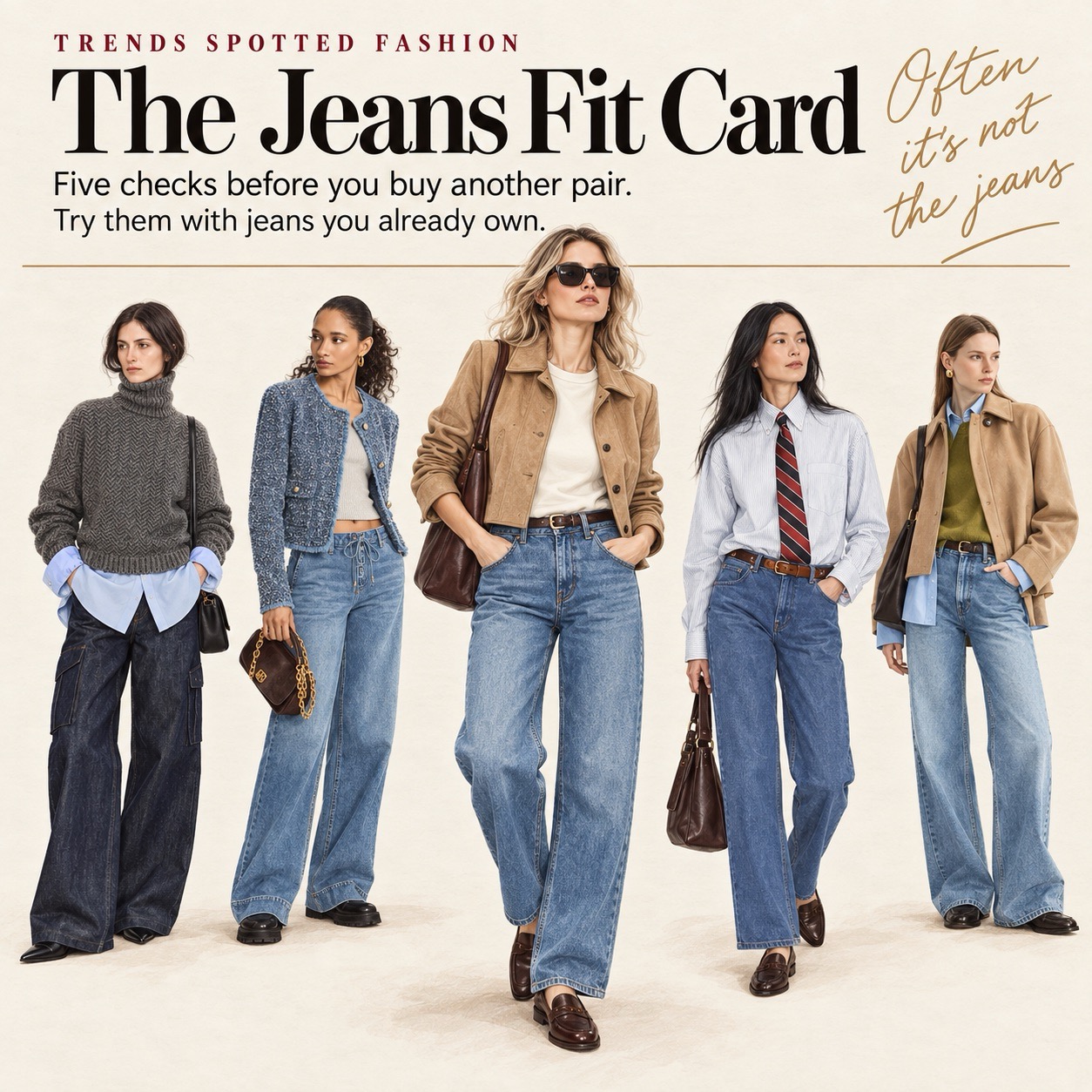
Before you buy another pair, check whether the jeans are actually the problem.
A pair can still fit and still feel slightly wrong. Very often the change is not the denim itself, but the relationship around it — the line of the leg, the length, the shoe, the waist and what the rest of the outfit is asking the jeans to do. This one-page card gives you the six checks from the video in a form you can keep on your phone while you dress or shop.
What is on the card:
— straight, not narrow: the line stays even instead of quietly tapering at the ankle
— wide stays long: enough length for the volume to finish cleanly
— close above, open below: the quieter modern bootcut / flare relationship
— narrow needs a stronger ending: let the shoe or boot complete the lower line
— the waist sits in a calmer mid-to-high zone instead of becoming the whole outfit
— one accent is enough: let the denim stay quiet and decide where the eye should go
There is no “one correct jean” on this page. The point is to help you see why a pair works — or why it does not — before you replace something that may still have a useful place in your wardrobe.
Send me the free Jeans Fit Card
Six denim checks on one beautiful page you can save, print and open while you are getting dressed or trying on jeans.
After signing up, check your inbox and confirm your email. Your card will arrive immediately afterward.
No spam. Just the card and occasional practical notes on making your wardrobe feel current and easier to wear.
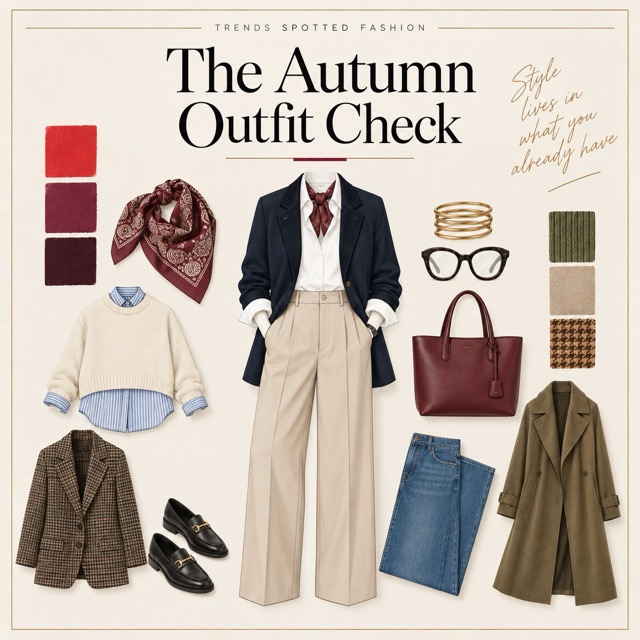
A cream sweater, a striped shirt, a pair of trousers. Change where the layers finish, or repeat one colour, and the same three pieces look considered rather than assembled.
By Trends Spotted Fashion
Simona Bertolotto is 55, Italian, and posts as @sissiottostyle. Her outfits have personality even when they are a sweater and trousers — because of what happens between the pieces, not the pieces themselves. Five of those moves, as we read them.
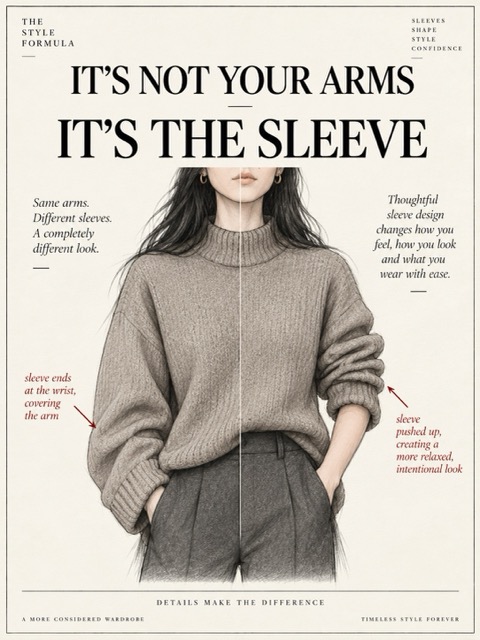
If a top makes your arms feel heavier, shorter or somehow “wrong,” the problem may not be your arms at all. A few centimetres of sleeve, a visible forearm, a narrower cuff or a second layer can completely change the relationship between shoulder, arm, hand and the rest of the outfit.
By Trends Spotted Fashion
The sleeve is one of the quietest proportion tools in a wardrobe. We notice the colour, neckline and trousers first, but the sleeve decides where the eye stops, how much of the arm is visible and whether the hand feels connected to the rest of the outfit.
That means the same body can look completely different without changing the body at all. Push a sleeve upward and the forearm appears. End the garment earlier and the wrist gains space. Add volume above a smaller opening and the sleeve becomes a shape rather than a tube. Let another cuff or layer continue beyond the first sleeve and suddenly the ending looks intentional.
There are four useful ways to work with this. None requires hiding your arms. The goal is simply to choose where the sleeve ends, where the volume sits and what happens next.
Elegant clothes do not have to be obedient clothes.
Having fun with what you wear does not require a new personality or a new wardrobe. It requires one controlled point of delight inside clothes that already feel like you. This one-page guide shows you where to put it — and how far to go.
What is on the guide:
— the 5 decisions: keep the base, choose the lead, change the shape, repeat a signature, wear it today
— the 3 levels of play: detail, relationship, statement
— the five-minute test you can run before you leave the house
— the one-second mirror check for outfits that feel slightly off
— one clear page to save or print
There is no shopping list on it. What is on it instead is the relationship between pieces — which works in any year, at any price, with the clothes already hanging in your wardrobe.
Send me the free One Point of Delight page
Five decisions and three levels of play, on one beautiful page you can save, print and open while you are getting dressed.
After signing up, check your inbox and confirm your email. Your guide will arrive immediately afterward.
No spam. Just the guide and occasional practical notes on making your wardrobe feel current and easier to wear.
Navy is easy to own. It is surprisingly easy to repeat.
This one-page guide moves beyond the usual navy-and-white answer. It gives you twelve reliable pairings—from soft neutrals to clear colour—and four complete formulas you can build with clothes already in your wardrobe.
What is on the guide:
— 12 navy colour pairings
— soft neutrals, warm contrast, cool clarity and soft colour
— 4 easy outfit formulas
— the 10–30% accent rule
— one clear page to save or print
Use it beside your wardrobe, choose one formula, and let navy do the work. You do not need twelve new outfits—only one new relationship between pieces you already trust.
Send me the free Navy Colour Guide
Twelve pairings and four easy outfit formulas, on one beautiful page you can save, print and open while you are getting dressed.
After signing up, check your inbox and confirm your email. Your guide will arrive immediately afterward.
No spam. Just the guide and occasional practical notes on making your wardrobe feel current and easier to wear.